




Featured Topics
20 Mar 2026
1 min read
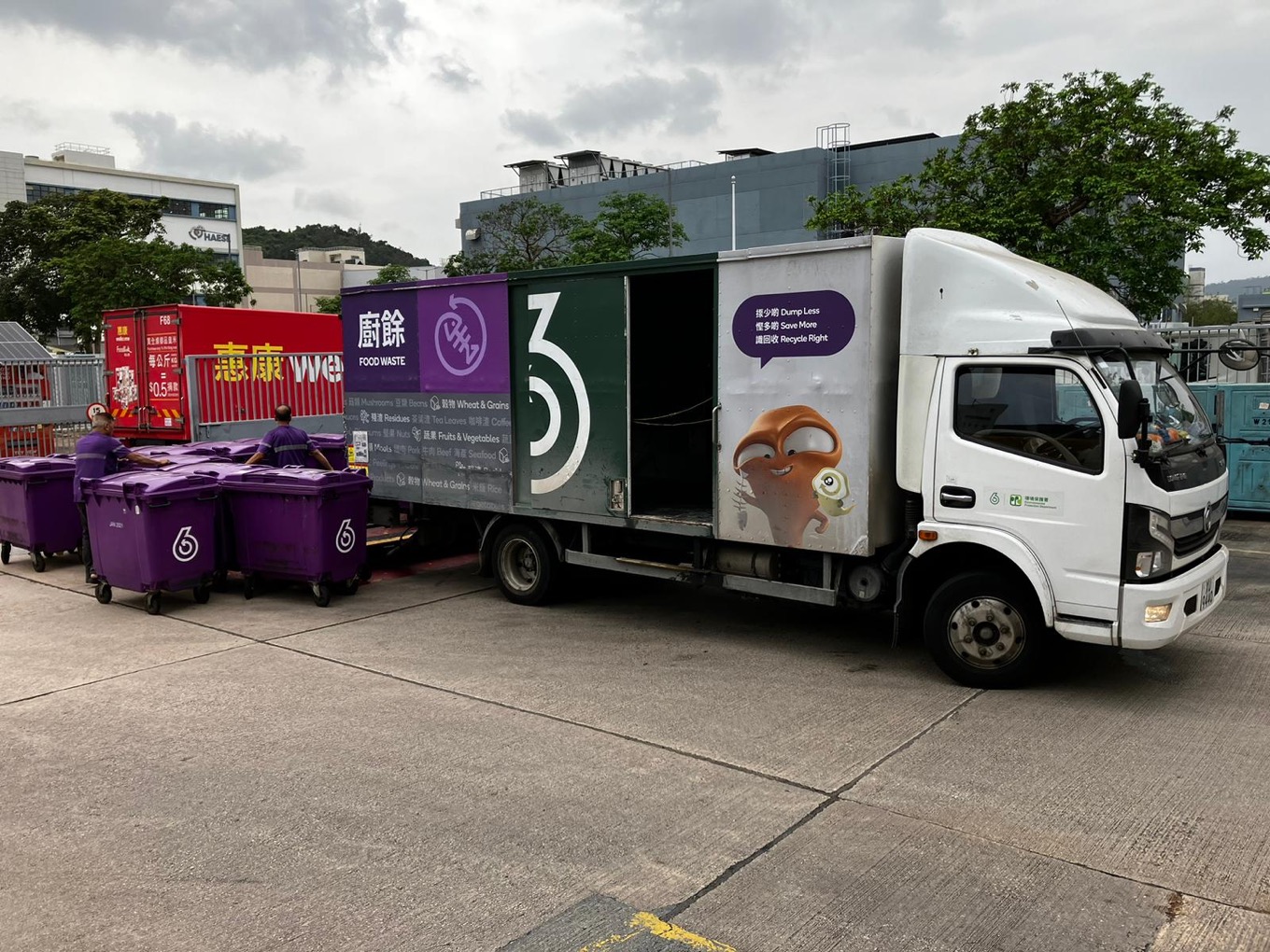
Food waste collection from our distribution centres to O·PARK
Food Waste and Environmental Impact
Food waste remains a major environmental challenge across food retail supply chains. Managing surplus food responsibly requires an integrated approach that prioritises reduction, redistribution, recycling and circular treatment, helping to minimise pressure on landfills while delivering social and environmental benefits.
Leveraging Partnerships and Innovations
DFI businesses continue to strengthen their approach to food waste management by expanding how surplus food and products are redistributed, upcycled and responsibly treated. Through a combination of long standing and new partnerships, supported by practical innovations, DFI works to reduce waste, support communities and lower environmental impact across its operations.
Expanding Donation and Recycling Networks
DFI continues to scale food donation and recycling efforts across its retail network. Building on the existing collaboration between Wellcome and Hong Kong’s Anaerobic Digestion facility, O·PARK, participation was expanded to include 649 7 Eleven Hong Kong stores. In parallel, DFI explores additional circular solutions, including upcycling coffee grounds into fertiliser and converting meat trimmings into biodiesel, to further reduce waste and improve resource recovery.
Progression Towards Waste Diversion Target
In 2025, DFI’s distribution centres consolidated and diverted 1,525 tonnes of food waste for anaerobic digestion. The Group’s waste diversion rate improved from 61% in 2024 to 66% in 2025, demonstrating steady progress towards its target of achieving an 80% diversion rate by 2030.