






詐騙網站及應用程式公告!點擊此處了解更多詳情

業務
愛護環境

2026年03月20日

1 分鐘閱讀

Market Place’s first CO2-based natural refrigerant system in Hong Kong
Market Place First Co2 Based Natural Refrigerant System In Hong Kong Banner
業務
愛護環境

2026年03月20日

1 分鐘閱讀

Refrigeration and Climate Impact

Refrigeration systems are essential for food safety but represent a major source of direct emissions in food retail operations. Reducing refrigerant‑related emissions is therefore a critical lever in advancing climate action.

Advancing Low Emission Refrigeration across Store Operations

Converting to lower-emission refrigeration and upgrading refrigeration technology is a core part of how DFI reduces direct emissions and improves energy efficiency across its store network. This ongoing effort reflects a long term, systematic approach to lowering Scope 1 emissions while supporting the Group’s ambition to reduce Scope 1 and Scope 2 emissions by 50% by 2030, and achieve net zero by 2050.

Deploying Natural Refrigerant Systems

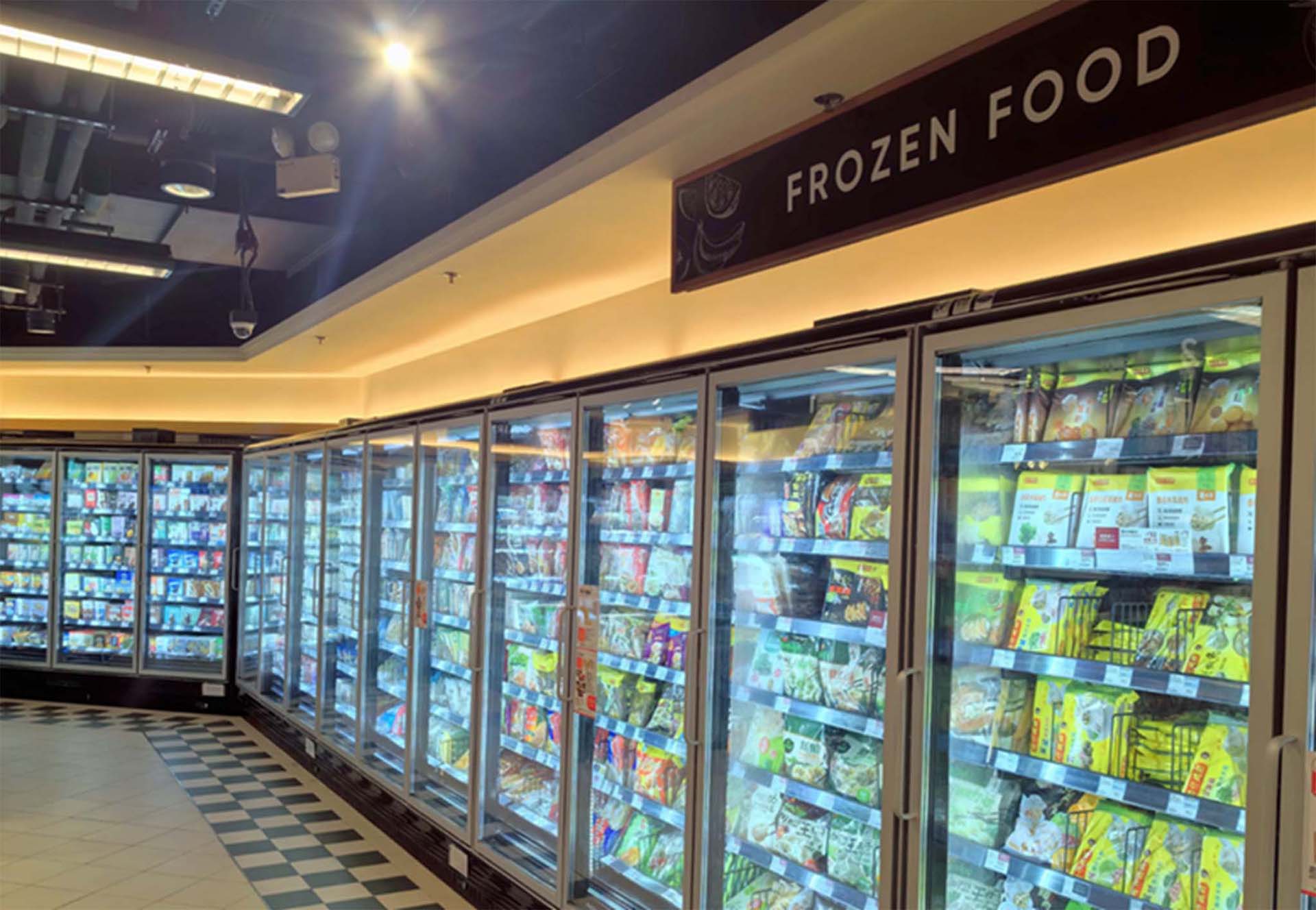
Over time, DFI has built experience through sustained investment in refrigeration system upgrades and its research and development of emerging technologies. In April 2025, DFI commissioned Hong Kong’s first CO₂‑based natural refrigerant system in food retail at the Cloudview Market Place store in North Point, followed by a sub‑critical CO₂ system at Oliver’s The Delicatessen in September 2025. With a Global Warming Potential (GWP) of just 1, CO₂ is one of the most environmentally responsible refrigerants available. By replacing legacy high-GWP refrigerants with this eco-friendly system, the transition significantly reduces direct emissions.

Significant Energy Efficiency and Emissions Reduction

The new system simultaneously improves energy efficiency, delivering about 13% reduction in annual electricity consumption of the refrigeration system and approximately 438 tonnes of carbon emissions, equivalent to the annual carbon absorption of 26,500 trees. In 2025, 7-Eleven Hong Kong also upgraded to lower-GWP refrigerants in 150 stores, further reducing emissions and improving operational energy efficiency.